How Often Should You Pressure Wash Your Home in Cypress, TX?
A surface-by-surface guide for Cypress homeowners — driveways, siding, roofs, fences, and patios — based on our humid Gulf Coast climate.
Free, no-obligation quotes — call or text today!
Serving Cypress, Katy, Houston, Tomball, Spring & the surrounding areas
Why Cypress Homes Need More Frequent Cleaning
Cypress, TX sits in one of the most humid corridors in the United States. With over 50 inches of annual rainfall, average summer humidity above 80%, and afternoon thunderstorms rolling through from May through October, the conditions here are nearly ideal for algae, mildew, mold, and the gritty gray biofilm that slowly takes over exterior surfaces.
Most generic pressure washing advice is written for drier climates — Phoenix, Denver, or the Pacific Northwest. That advice doesn't translate to Cypress. Subdivisions like Bridgeland, Coles Crossing, Towne Lake, and Fairfield are known for their mature tree canopy, which keeps surfaces shaded and damp long after rain. North-facing siding and driveways under large oaks can develop visible algae within months of a fresh cleaning.
The result: Cypress homeowners need to clean more frequently than the national average recommends, and using the right method for each surface is critical to getting a clean that actually lasts. Below is a surface-by-surface breakdown of how often each part of your home needs attention, what the warning signs look like, and what happens if you let it go too long.
Cleaning Schedule at a Glance
These intervals are tuned to the Cypress climate — not national averages.
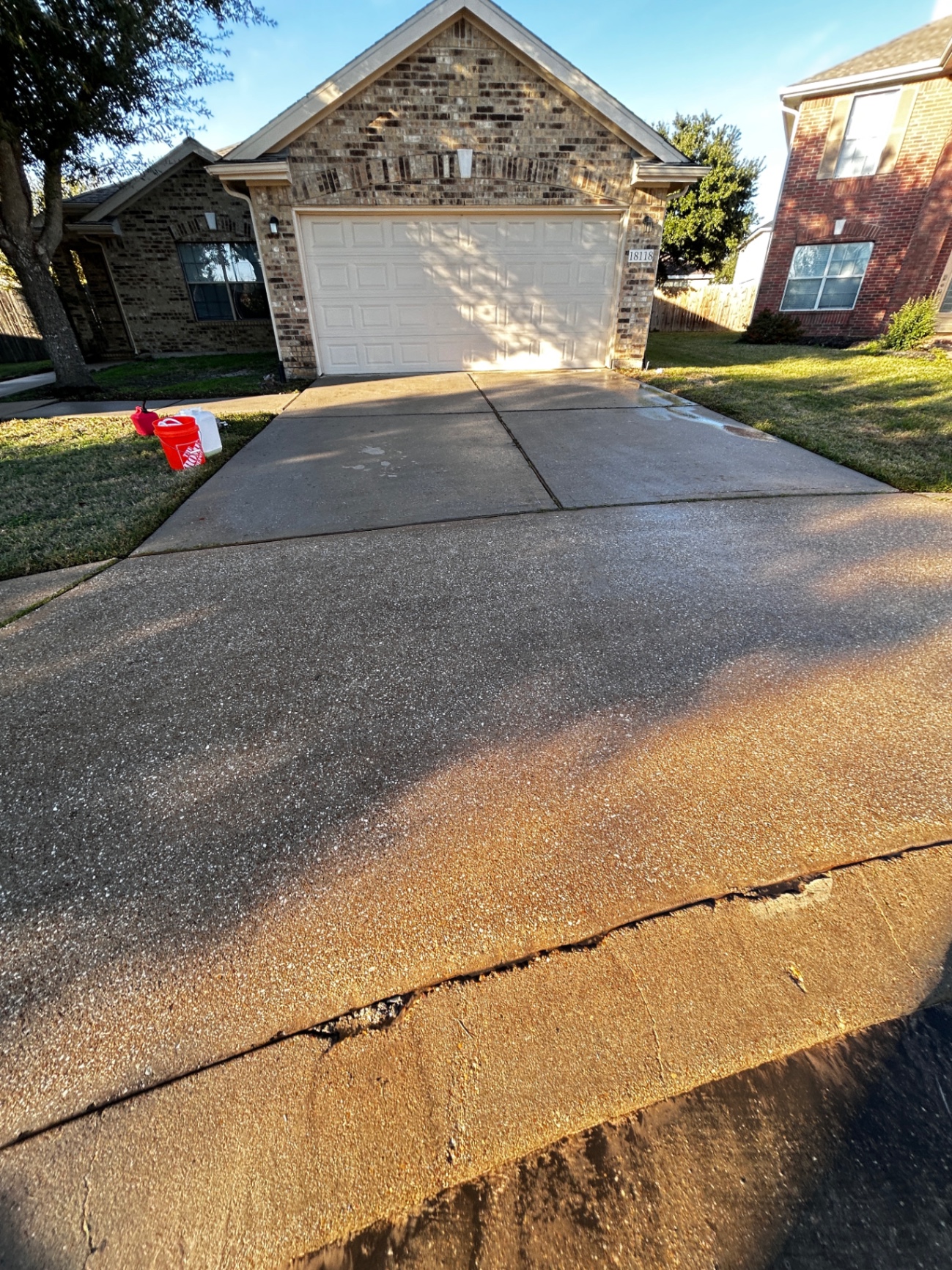
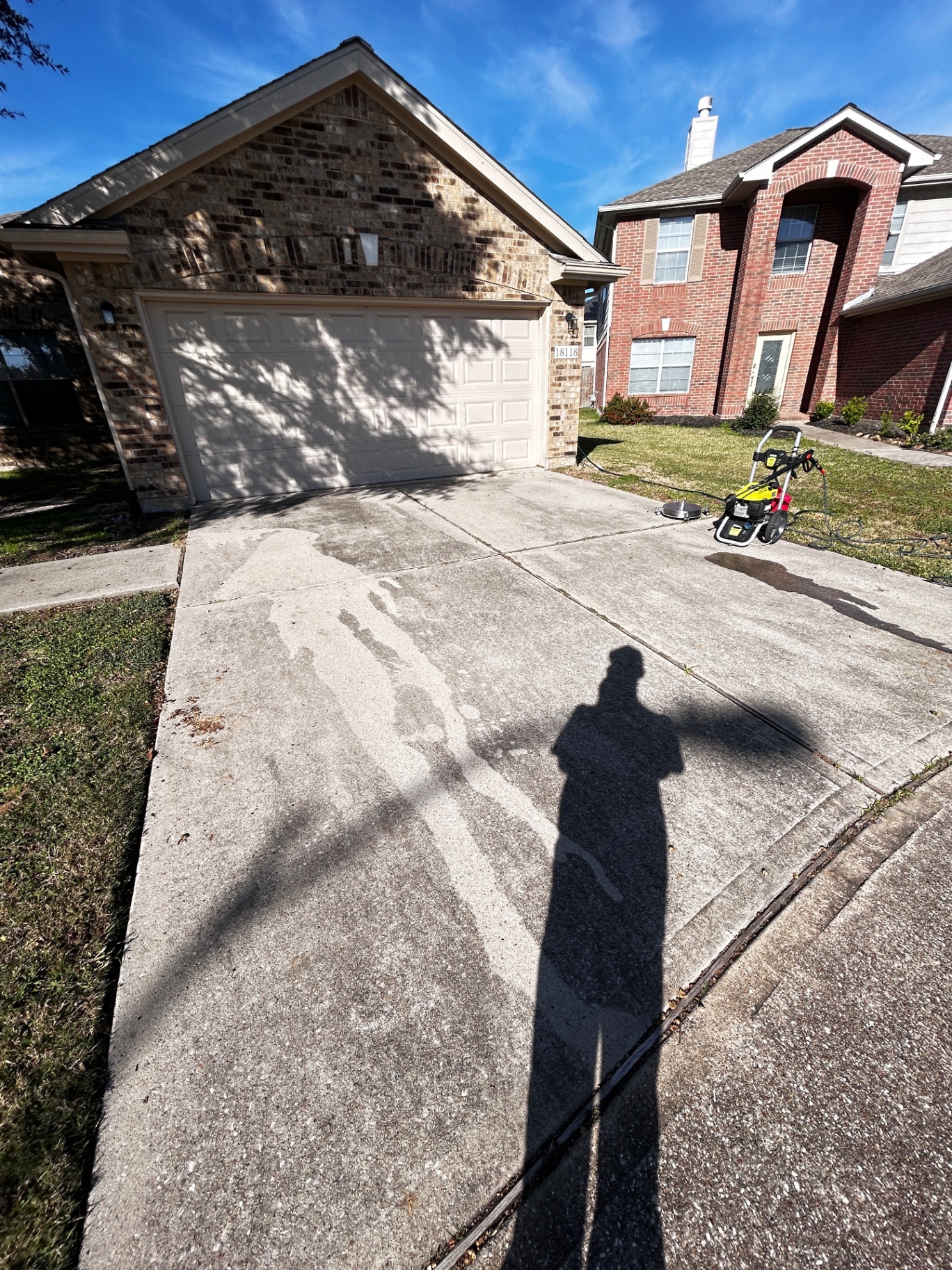
Driveways: Once a Year — More If Shaded
For most Cypress driveways, an annual pressure wash is the standard. Concrete is porous and absorbs oil drips, tire deposits, leaf tannins, and algae spores throughout the year. Left untreated, those stains penetrate deeper into the slab and become harder to lift with each passing season — eventually reaching a point where even professional cleaning can't fully restore the original color.
Driveways under heavy tree canopy — oaks, pecans, and pines are especially common in northwest Harris County — are a different story. Shade keeps the concrete damp, and tree droppings introduce tannins and organic debris that accelerate staining. These driveways often need cleaning every six to nine months to prevent a permanent green or gray film from setting in.
Oil stains deserve special attention. Fresh oil absorbs quickly into concrete and oxidizes over time, bonding with the slab. A professional pre-treatment and surface cleaning lifts oil stains far more effectively than a simple rinse — but only if they haven't been sitting for years. Annual cleaning keeps the stains manageable and the concrete looking fresh.
Signs your driveway needs cleaning now:
- Dark green or black film forming across the surface
- Oil or rust stains that have been there more than one season
- Concrete looks noticeably darker or grayer than it used to
- Slippery or slimy texture in shaded areas
House Siding: Soft Wash Once a Year
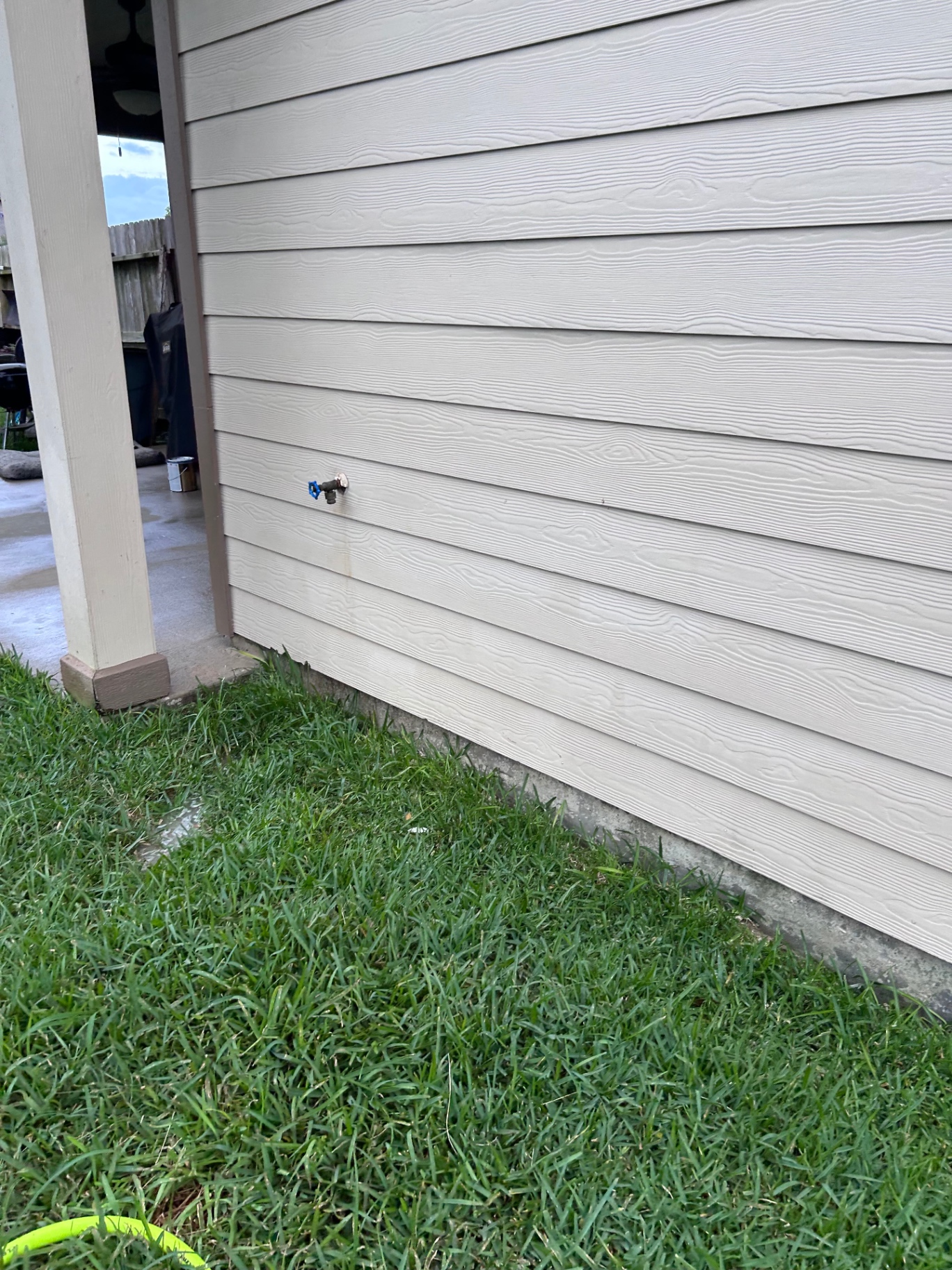
Siding should never be pressure washed. Vinyl, painted wood, stucco, brick, and Hardie board are all vulnerable to high-pressure water — it can force moisture behind panels, crack stucco, strip paint, and damage caulking around windows and doors. The only safe and effective method for siding is soft washing: a low-pressure application of biodegradable cleaning solution that kills algae and mildew at the root, followed by a gentle rinse.
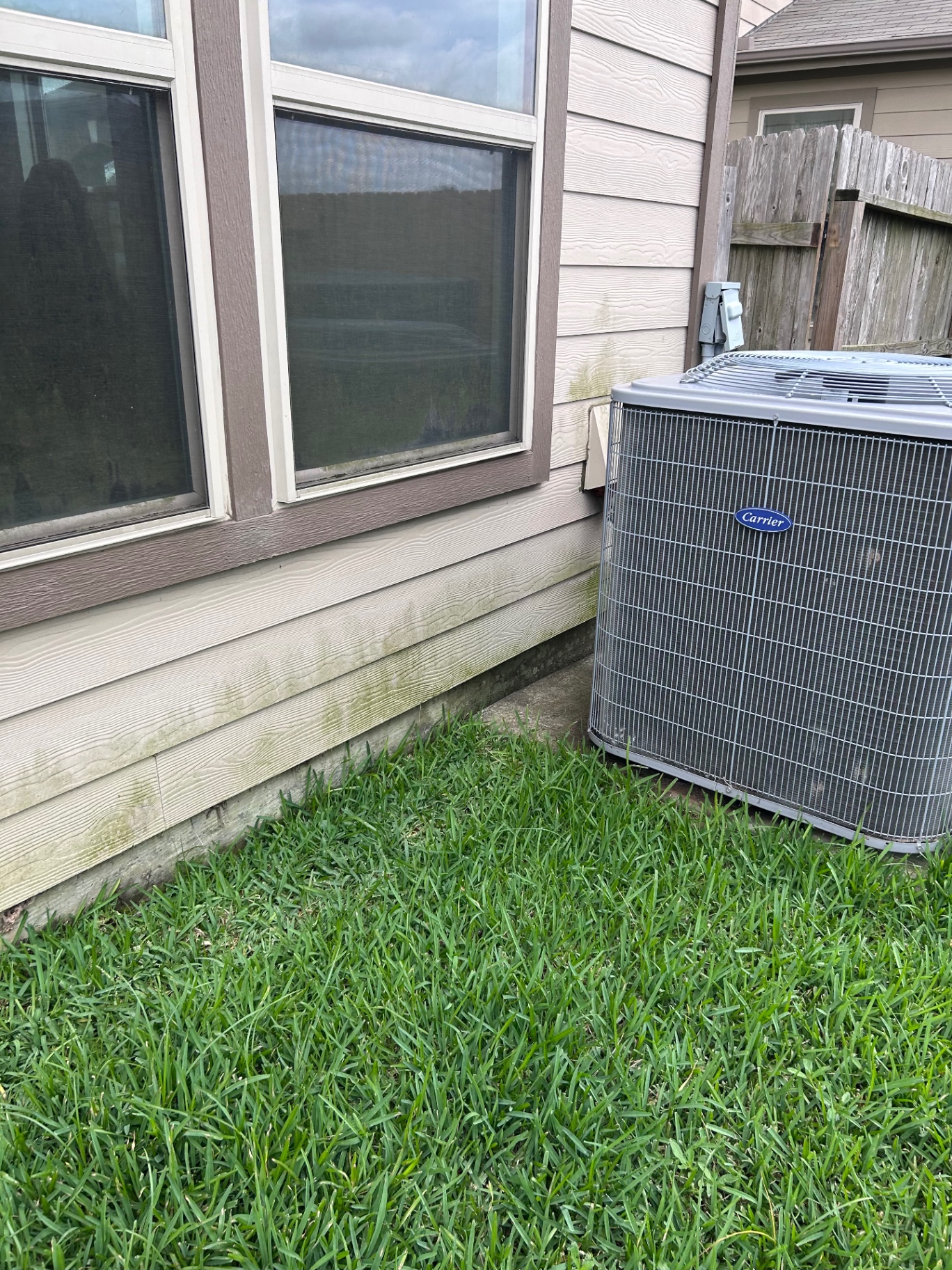
In Cypress, a full-house soft wash once a year is the right cadence for most homes. Our humid summers are prime growing season for Gloeocapsa magma — the bacteria responsible for those dark green and black streaks that start near the roofline and run down the siding. By the time those streaks are visible from the street, they've been growing for months. A yearly wash removes them before they have time to permanently discolor the material or work into caulk lines.
Homes with north-facing walls, shaded sides, or significant tree coverage may develop visible growth faster. If you notice your siding turning green or streaky within six months of a cleaning, consider booking an off-season touch-up for the affected walls, or ask about a preventative algae treatment.
Signs your siding needs attention now:
- Green or black vertical streaks running down the walls
- White chalky or powdery residue on painted surfaces
- Visible mildew or mold patches near the foundation or roofline
- Siding looks generally dull or grayish despite no damage
Roof: Soft Wash Every 1–3 Years
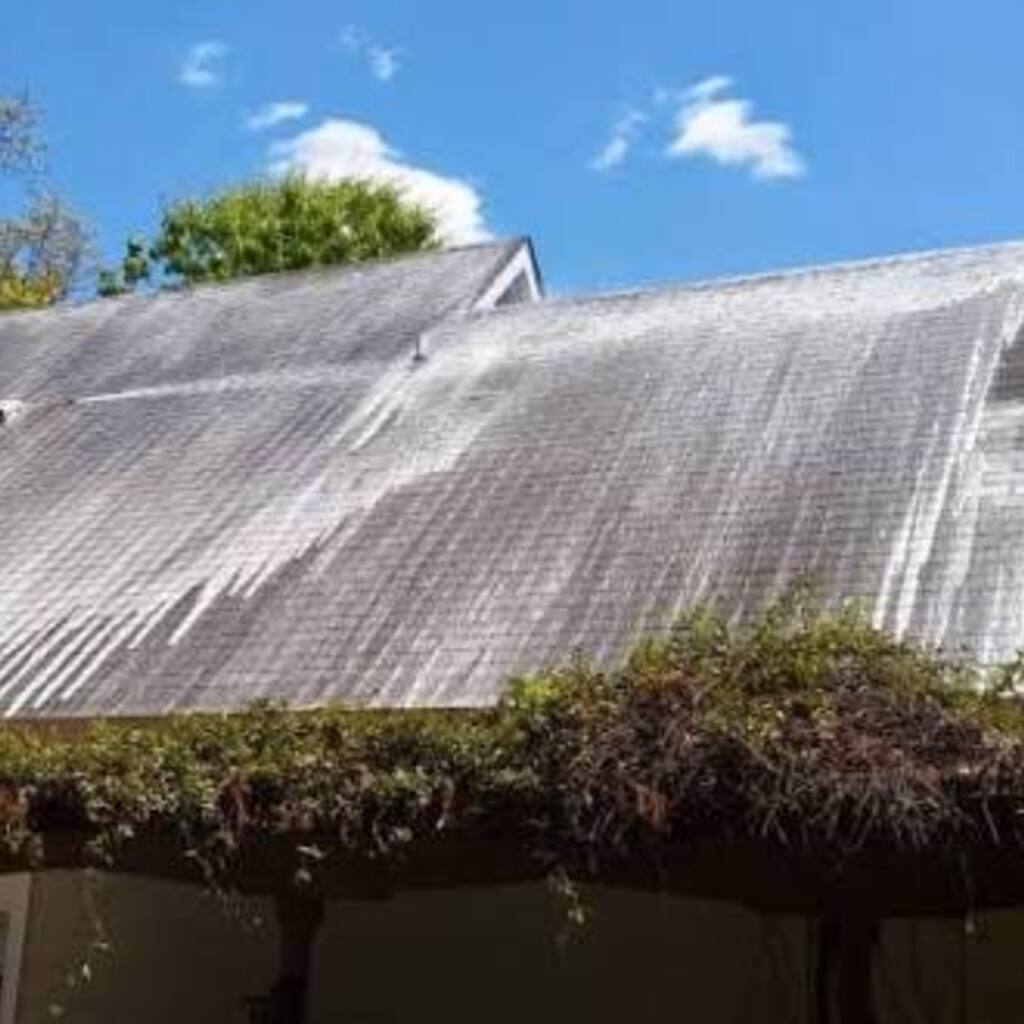
The black streaks that appear on asphalt shingles — most visible on lighter-colored roofs — are caused by a cyanobacteria called Gloeocapsa magma. It feeds on the limestone filler in asphalt shingles, gradually breaking down the material and reducing the shingles' ability to reflect UV light. That means a streaky roof doesn't just look bad; it runs hotter and wears out faster than a clean one.
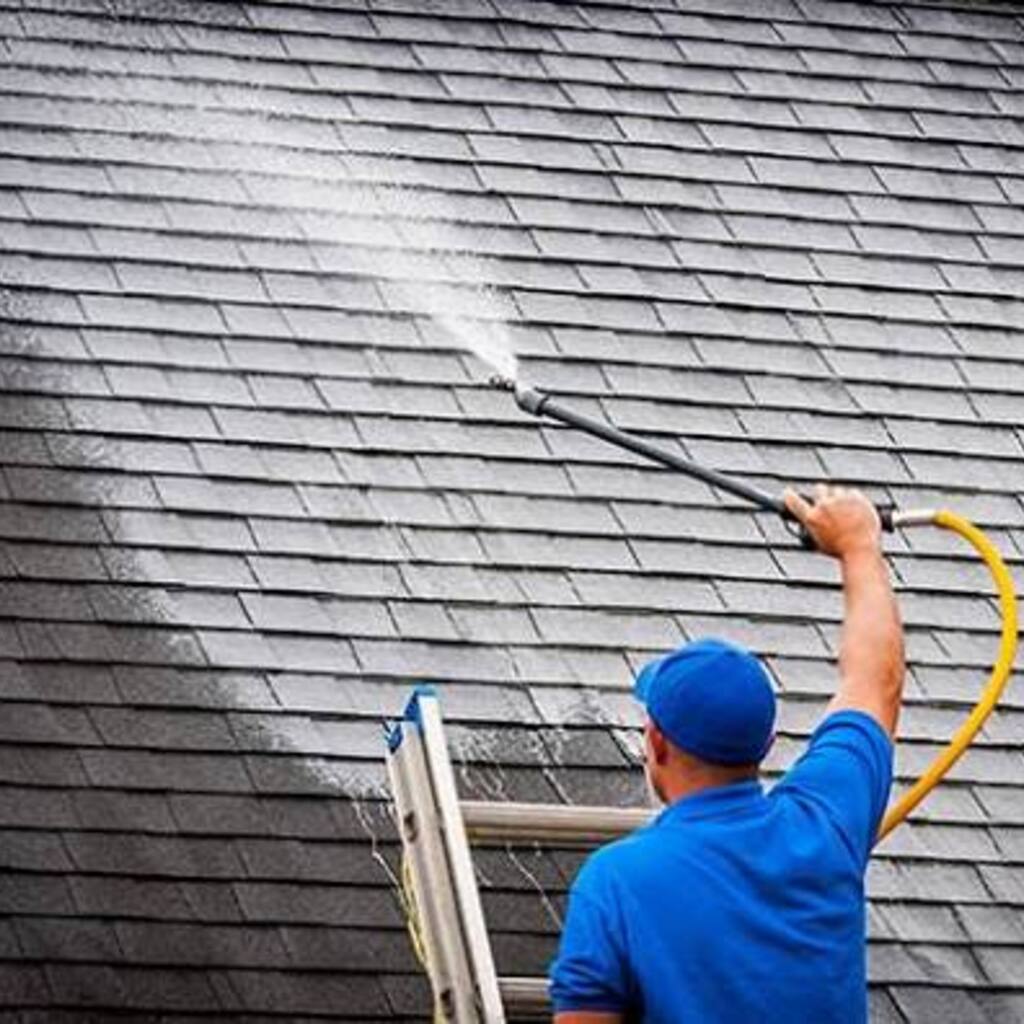
Pressure washing a roof voids most manufacturer warranties and causes real damage: the water strips granules from shingles, leaving bare spots that accelerate cracking and leaking. Soft washing is the only ARMA-recommended cleaning method. The cleaning solution penetrates the shingle and kills the bacteria at the source, and the results typically last two to three years in the Cypress climate — significantly longer than a high-pressure clean.
Cypress roofs with significant shade from live oaks, pecan trees, or pine trees develop growth faster than exposed roofs. If you notice streaks within a year of a soft wash, the tree cover is the culprit. In severe cases, a treatment with a roof algae inhibitor after cleaning can extend the clean period considerably.
Signs your roof needs cleaning now:
- Dark streaks running from the ridge line down toward the gutters
- Green moss patches, especially on north-facing or shaded slopes
- Flat gray-green lichen spots on individual shingles
- Visible discoloration or patchiness when viewed from the street
Ready to Get on a Cleaning Schedule?
Rose Power Washing serves Cypress, TX and the surrounding area. We'll inspect your exterior, recommend the right cleaning schedule for your specific surfaces, and provide a free written quote — no pressure, no surprises.
Call or text us at (346) 818-7596 or visit rosepowerwashingtx.com
Fences: Every 1–2 Years Depending on Material
Fences take a beating in the Cypress climate. They're fully exposed to rain, lawn irrigation, morning dew, and constant moisture from the ground. Sections near garden beds, under tree canopy, or on north-facing property lines stay damp almost continuously — exactly what algae and mildew need to thrive.
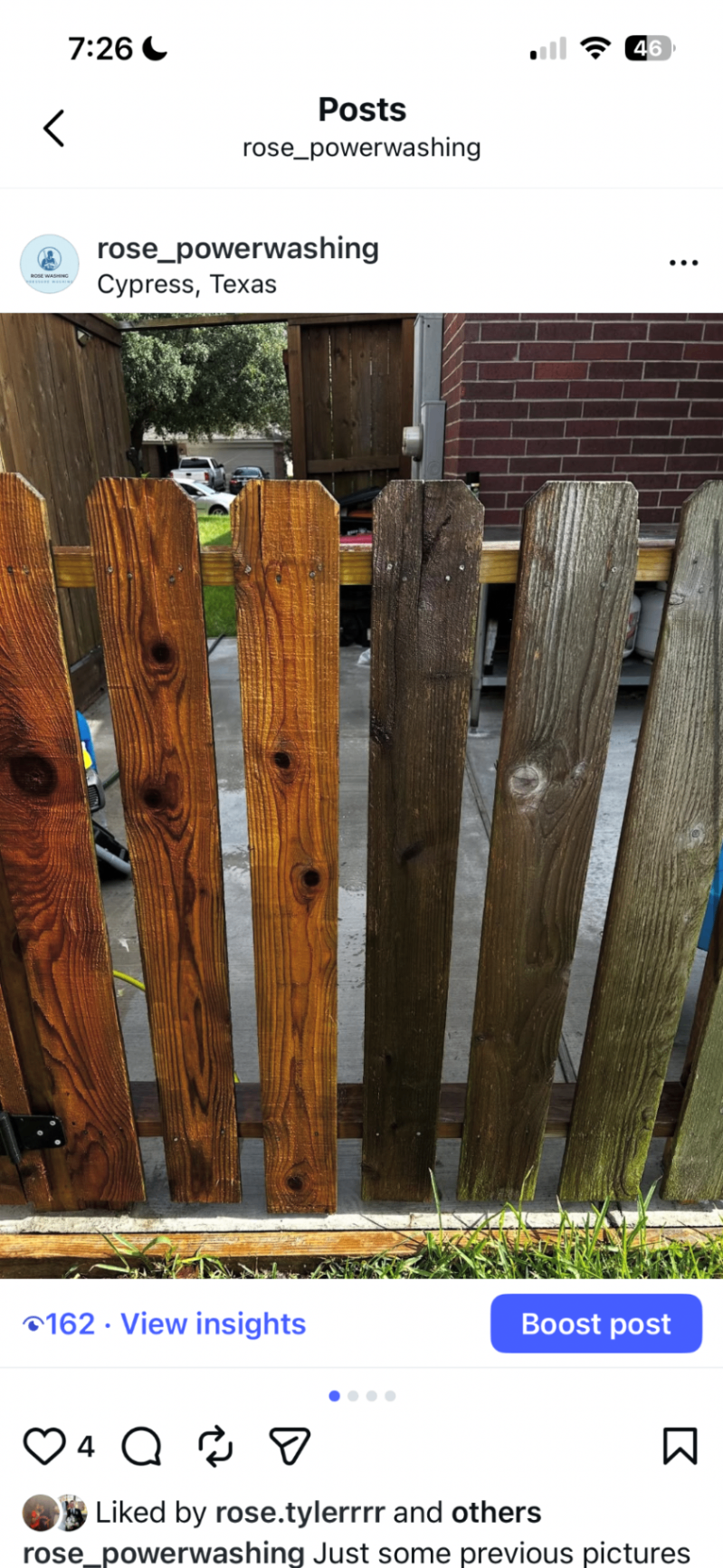
Wood fences are the most demanding. Without regular cleaning, wood accumulates gray mildew, green algae, and dark organic staining that works its way into the grain over time. Once deep staining sets in, it becomes permanent. A soft wash or low-pressure clean every one to two years removes surface growth before it penetrates, and it's also the right preparation step before staining or sealing if you decide to refinish.
Vinyl fences are more resistant to permanent staining but still develop green algae on north-facing sections and near the ground line. The good news: vinyl is easy to restore with a soft wash in under an hour. Most vinyl fences look brand new after a cleaning, regardless of how long the buildup has been there. Cleaning once every one to two years keeps it in that condition.
Signs your fence needs cleaning now:
- Wood pickets turning uniformly gray (surface mildew)
- Green algae patches on vinyl, especially near the ground
- Dark horizontal staining from irrigation overspray
- Fence looks "dirty" even from a distance
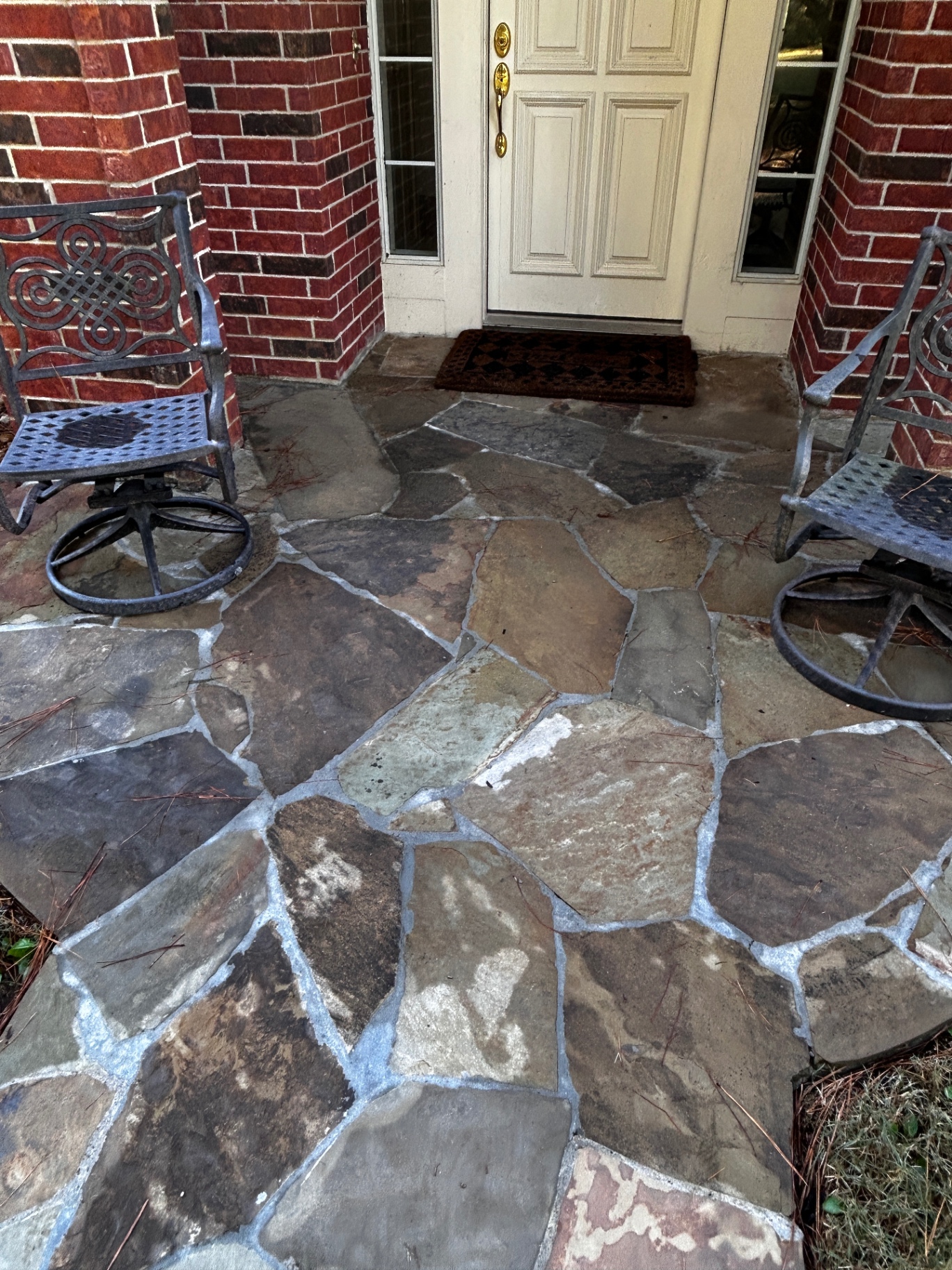
Patios & Pool Decks: Once a Year for Safety
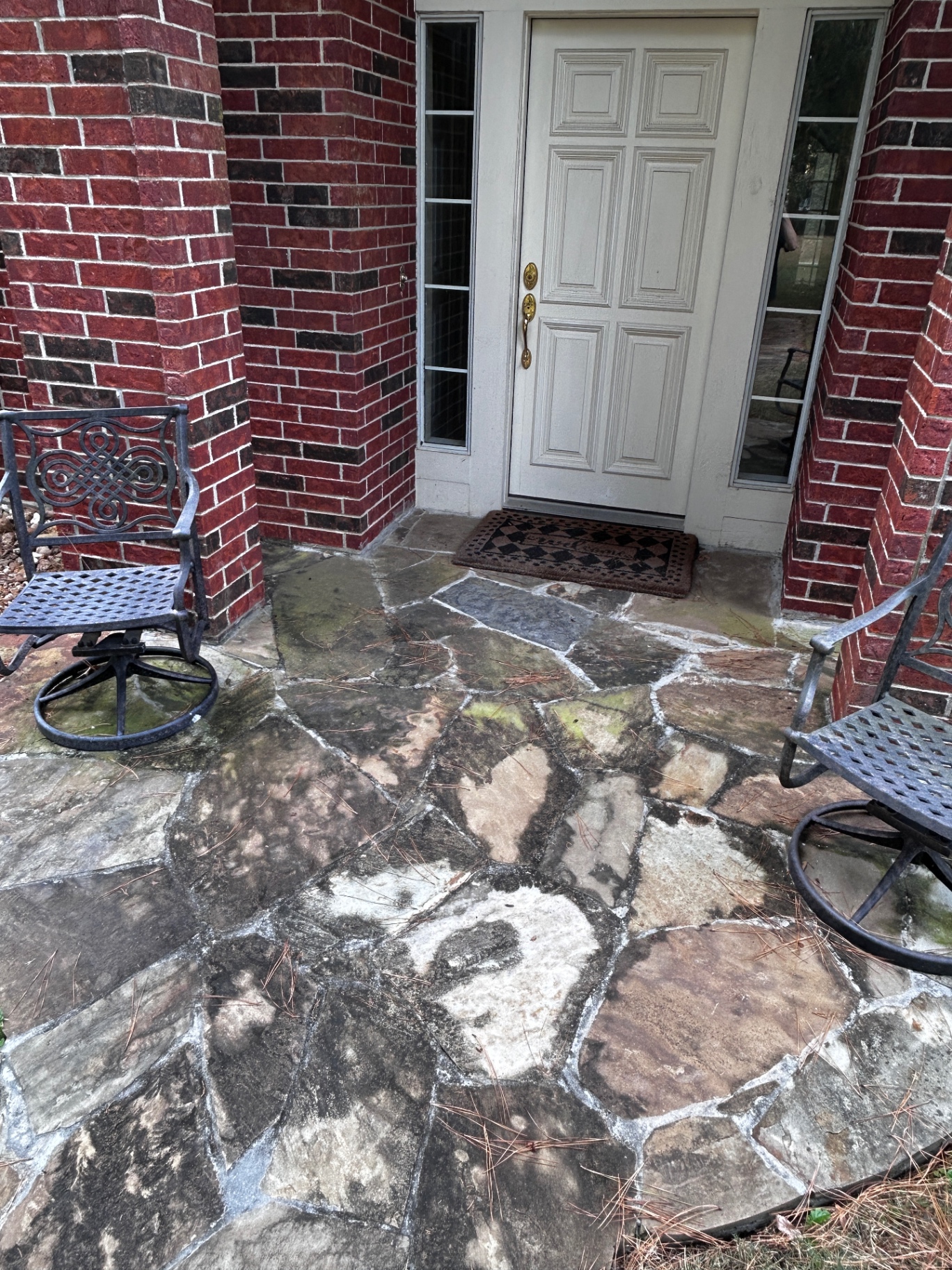
Patios and pool decks sit at ground level, surrounded by landscaping, and exposed to constant moisture from irrigation and rainfall. In Cypress, concrete and stone patios develop algae and biofilm quickly — and unlike an unsightly driveway, a slippery patio is a genuine safety hazard. Wet algae on concrete or pavers can cause falls, especially around pools.
Annual pressure washing is the right cadence for most Cypress patios. A surface cleaner delivers an even, swirl-free clean across the entire surface — far more consistent than a hand wand. We pre-treat any organic staining with a cleaning solution, run the surface cleaner across the deck, and detail the edges and expansion joints. The result is a flat, bright, safe surface for the entire outdoor season.
Pavers need slightly more care than poured concrete. The sand-filled joints between pavers can wash out with too much pressure, so we use a lower-pressure setting that cleans the surface without disrupting the joint material. After a cleaning, a fresh joint sand application and optional paver sealer can extend the clean and protect the surface from staining.
Natural stone — travertine, flagstone, and slate — is more porous and sensitive than concrete. We always test pressure and chemical compatibility before cleaning stone patios to avoid etching or discoloration. Most stone patios clean beautifully with a soft wash approach and a light-pressure rinse.
Signs your patio needs cleaning now:
- Slippery or slimy spots anywhere on the surface
- Green or black growth in grout lines or between pavers
- Faded, uneven surface color compared to edges under furniture
- Pool deck has any visible algae near the water's edge
Save Time and Money by Bundling
The most practical approach for most Cypress homeowners is a single annual visit that covers everything at once — driveway, siding, fence, and patio. Bundling is faster (we're already on-site and set up), less disruptive to your schedule, and almost always cheaper than booking each surface separately.
A typical bundle for a mid-size Cypress home might include a driveway cleaning, full house soft wash, and fence cleaning — all completed in a single morning. If your roof needs attention, we can add a soft wash to the same visit. We'll walk through each surface with you before starting and point out anything that might need a targeted pre-treatment.
Not sure what your home needs? Call or text us at (346) 818-7596 or visit rosepowerwashingtx.com. We'll take a look and send a free, no-obligation written quote within 30 minutes during business hours.
Frequently Asked Questions
Pressure Washing Near You
Rose Power Washing serves Cypress and all of the surrounding communities throughout northwest Houston.
- Cypress, TX
- Katy, TX
- Houston, TX
- Tomball, TX
- Spring, TX
- Jersey Village, TX
- Hockley, TX
- Waller, TX
Explore Our Services
Dive into the individual service pages for detailed before & after galleries, pricing information, and more.
Driveway Cleaning
Deep oil & stain removal with commercial surface cleaning equipment.
House Washing
Soft wash siding cleaning that kills algae and mildew without damage.
Roof Cleaning
Safe soft wash that removes black streaks without voiding warranties.
Fence Cleaning
Wood and vinyl fence cleaning that restores the original finish.
Pressure Washing Cypress TX
Full-service exterior cleaning for Cypress, TX homeowners.
Pressure Washing FAQ
Answers on pricing, methods, preparation, and scheduling.
Get Your Free Quote in 30 Minutes from Rose Power Washing
Not sure where to start? Call or text (346) 818-7596 or visit rosepowerwashingtx.com. We'll walk through your exterior with you and send a no-obligation written quote within 30 minutes during business hours — no pressure, no surprises.
Looking for more? See all our services on the homepage